Separate strongly magnetic, weakly magnetic and non-ferrous metals from mixed waste streams into pure, saleable fractions.
The strategic role of magnetic separation in recycling
With natural resources becoming scarcer and waste management costs rising, recovering metal from waste has never been more important. Recycling is no longer just an environmental policy but an economic necessity. Magnetic separation systems offer one of the most effective ways to extract maximum value from waste.
The key challenge: mixed waste streams
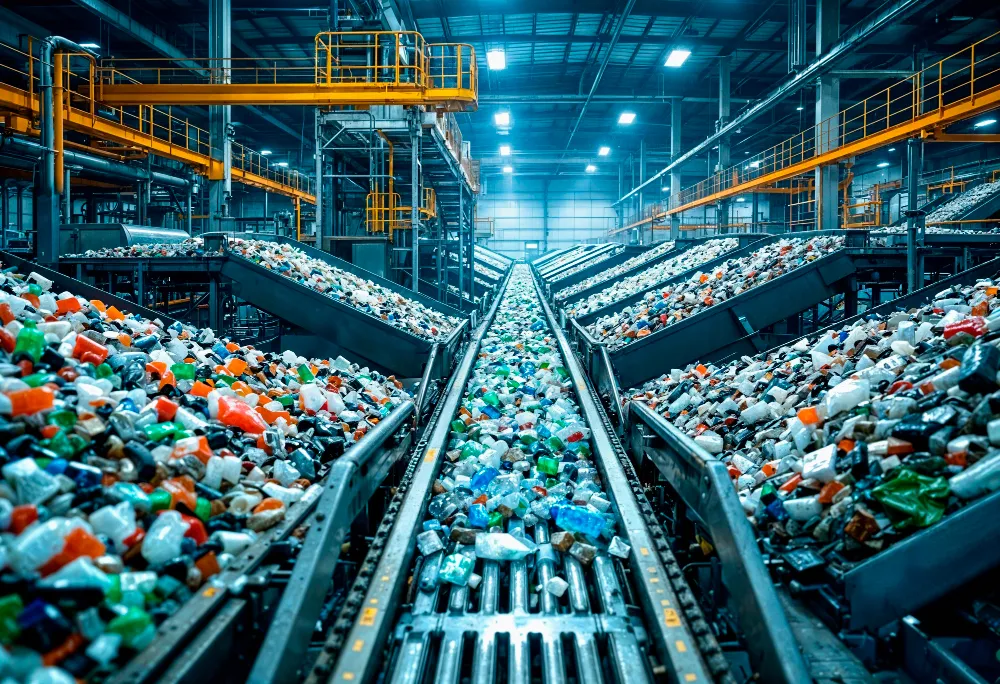
Sorting mixed, heterogeneous waste streams into pure, reusable fractions is one of the biggest challenges in recycling. With metal-bearing waste, even a small level of contamination can reduce the value of the whole stream. When plastics, ferrous and non-ferrous metals are mixed, the level of separation technology becomes decisive.
The right technology for each metal
Strongly magnetic metals
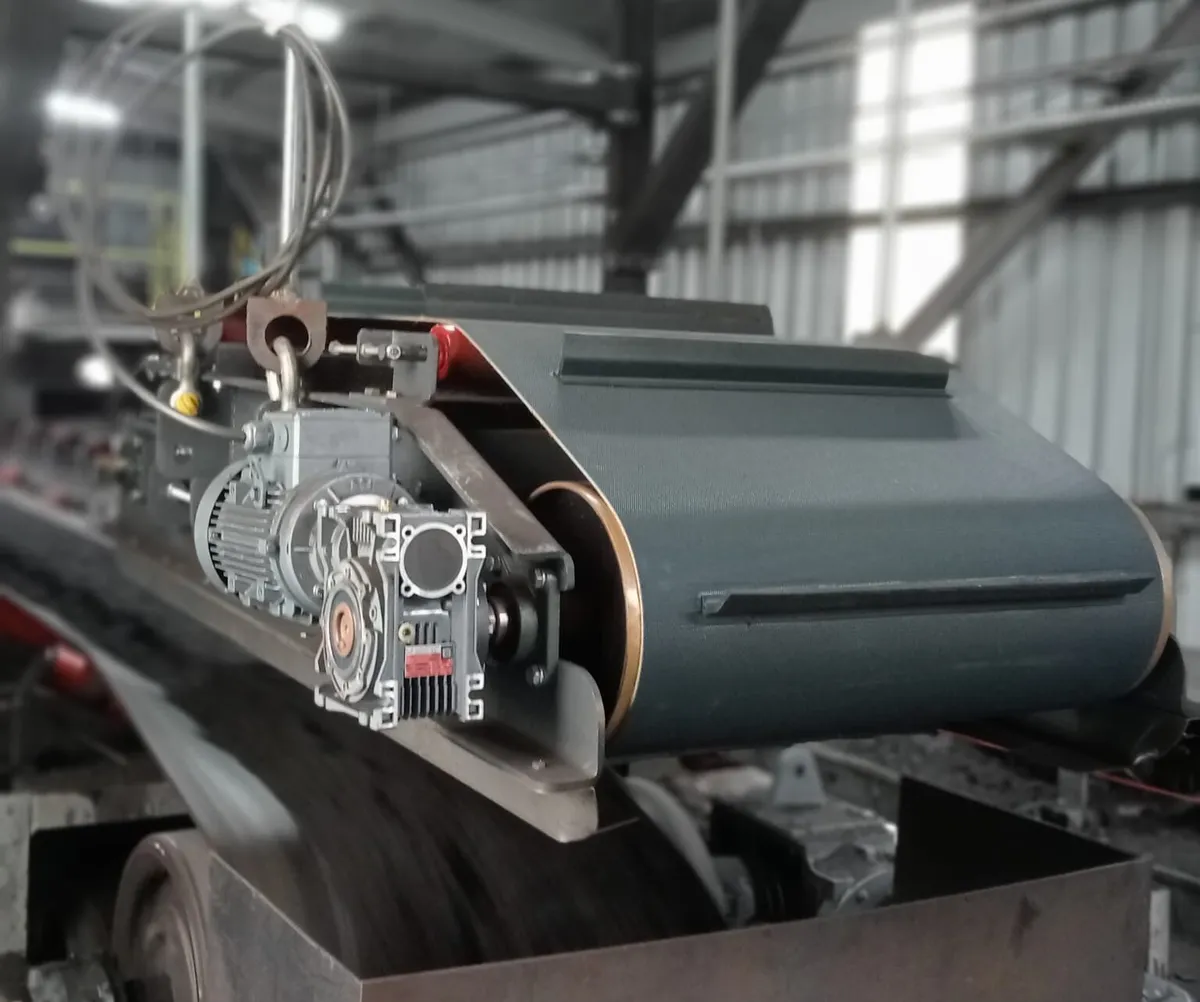
Iron and steel are easily separated with drum or pulley magnets.
Weakly magnetic metals
Stainless steel and some alloys require high-gradient magnet systems.
Non-ferrous metals
Aluminium, copper and brass are recovered with eddy current separators.
These technologies are often combined: a drum magnet first removes the ferrous fraction, then an eddy current separator collects the non-ferrous metals. The result is high-purity, saleable metal fractions free from plastics and other components.
Balancing efficiency, uptime and cost
One of the most important factors for profit margins in recycling is the cost per tonne. The separation systems you choose should therefore be:
- Long-lasting and wear-resistant
- Low-maintenance, with critical parts that are easy to replace
- Easy and safe to use; ATEX-compliant where flammable materials are handled
- Sustainable thanks to after-sales technical support
Testing before you invest
Recycling investments are long-term and costly. In our test center we test different waste streams, determine the right combination of magnetic separation and help you make decisions based on real data, so that the return on investment can be analysed clearly.